How to Accept MTN Mobile Money & Airtel Money on Your Rwanda Website
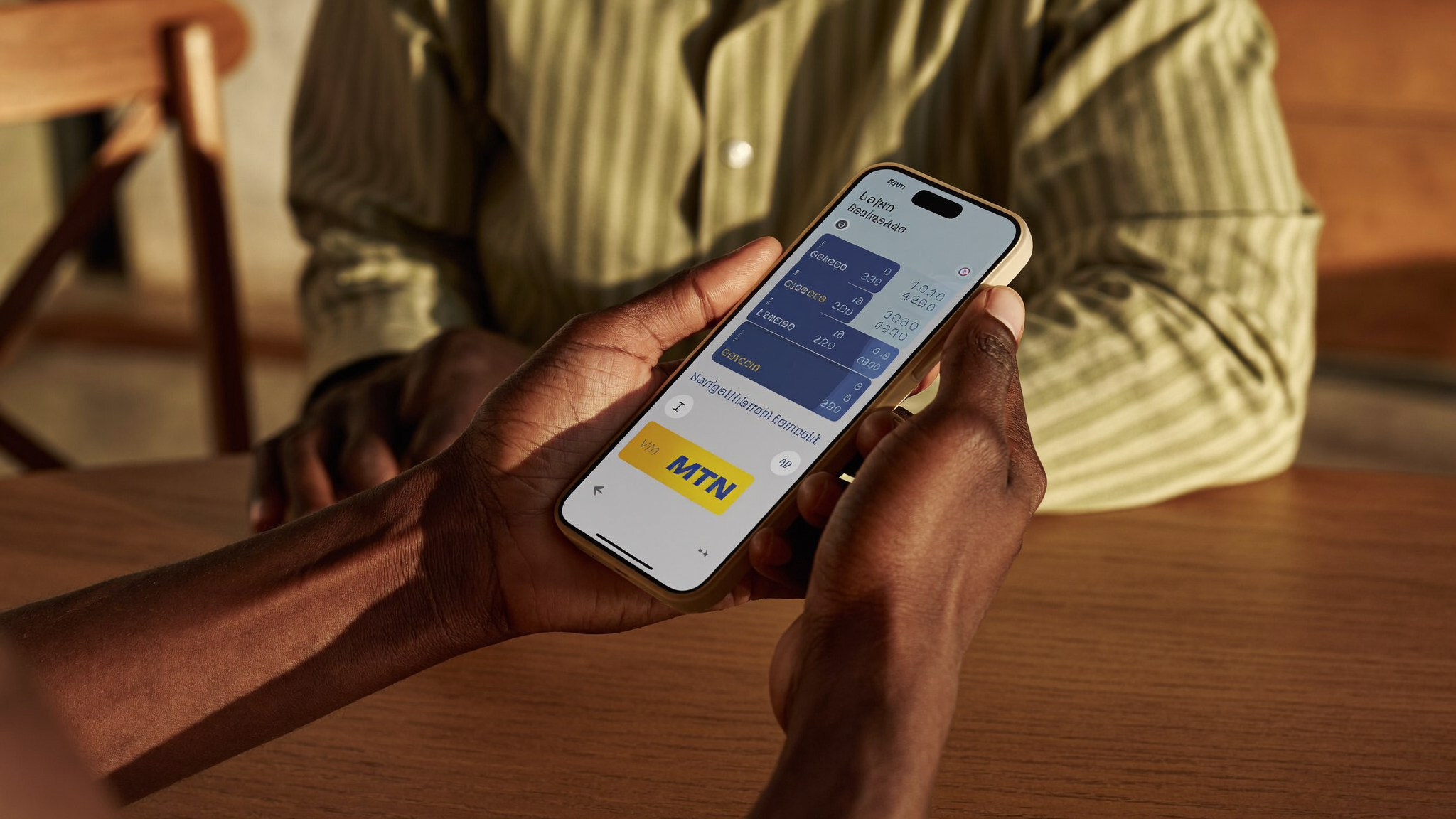
Real, embedded mobile money checkout — not just a code on a screen.
In Rwanda, mobile money is not a payment option — it is the payment method. Millions of MTN Mobile Money and Airtel Money accounts make it the default way people pay for everything from a moto ride to a monthly invoice. So if your website cannot take MoMo, you are asking customers to do extra work to give you money — and many simply won't. This guide explains exactly how to accept mobile money online in Rwanda: how the payment flow works, which providers to use, and what it costs to do it properly.
"Displaying a code" is not accepting payments
First, an important distinction. Putting your MoMo code (*182*8*1...) on a website is not online payment — it is a sticky note. The customer has to copy it, leave your site, dial it manually, type the amount, and hope they got it right. You then have no automatic record of who paid for what. Real online payment means the customer enters their amount, taps Pay, approves a prompt on their phone, and your website instantly knows the payment succeeded. That difference — automation and confirmation — is what turns a website into a real sales channel.
How a MoMo payment flows through your website
Step by step: what actually happens
- The customer checks out. On your website they enter the amount (or it is calculated from their cart) and their mobile money number, then tap Pay.
- Your site calls a payment API. Behind the scenes your website securely sends the request to a payment gateway such as PayPack.
- The gateway reaches MTN or Airtel. The provider sends an approval prompt (a USSD push) straight to the customer's phone.
- The customer approves with their PIN. They confirm on their own device — your site never touches their PIN.
- Confirmation comes back. The gateway notifies your website (via a "webhook") that payment succeeded, and your site automatically marks the order paid and alerts you — often on WhatsApp.
The whole exchange takes seconds, and every transaction is recorded automatically. No copied codes, no manual reconciliation, no "did the payment come through?" phone calls.
Which payment provider should you use?
The right gateway depends on whether your customers are local, international, or both. Here is how the three options most Rwandan businesses consider compare:
| Feature | PayPack | Stripe | PayPal |
|---|---|---|---|
| MTN MoMo & Airtel Money | ✓ Native | ✗ No | ✗ No |
| Settles in RWF | ✓ Yes | Limited | ✗ USD only |
| International cards (Visa/Mastercard) | Partial | ✓ Excellent | ✓ Yes |
| Easy local setup in Rwanda | ✓ Built for it | Hard | Possible |
| Best for | Local MoMo sales | Global SaaS / cards | Diaspora & abroad |
| Typical use in Rwanda | Primary choice | Add-on for cards | Secondary option |
The practical answer for most Rwandan businesses: use a MoMo-native gateway like PayPack as your main checkout, and add Stripe or PayPal only if you also sell to customers abroad who pay by card. That gives you the best of both — frictionless local MoMo and global reach.
A short technical overview (for the curious)
You do not need to be a developer to sell online, but understanding the moving parts helps you ask the right questions:
- API keys: Your gateway gives you secret keys that authorise your website to request payments. These live on the server, never in the browser.
- The payment request: Your site sends the amount and the customer's number to the gateway, which triggers the MoMo prompt.
- Webhooks: The gateway calls back to a special URL on your site to confirm success or failure. This is what makes confirmation automatic and trustworthy — your site believes the gateway, not the customer's word.
- Reconciliation: Every transaction has a unique reference, so your orders and your money always match.
A well-built integration also handles the awkward cases gracefully: the customer who cancels the prompt, the timeout, the insufficient-balance error. Handling those properly is the difference between a checkout customers trust and one that loses sales.
Security note: Your website must use HTTPS (the padlock) and never store mobile money PINs — the customer always approves on their own phone. A reputable build keeps secret API keys server-side and validates every webhook, so no one can fake a "paid" notification.
Common mistakes to avoid
Plenty of Rwandan businesses bolt mobile money onto a website badly and then wonder why sales don't follow. The usual culprits:
- Treating a MoMo code as a checkout. As covered above, a code on a page is not online payment. If the customer has to leave your site and type a code, expect many to abandon the purchase.
- No confirmation step. Without a webhook, your site never truly knows whether payment succeeded, leaving you to chase screenshots. Always insist on automatic confirmation.
- Ignoring failed payments. Customers cancel prompts, run out of balance, or lose signal. A good checkout shows a clear message and lets them try again — a bad one just leaves them stuck.
- Hiding the total. Show the exact amount in RWF before the customer taps Pay. Surprises at the payment prompt kill trust.
- Forgetting Airtel users. Supporting MTN MoMo only excludes a real share of customers. A proper setup accepts both MTN Mobile Money and Airtel Money.
Do you need a licence or special account?
For most small businesses, no — you work through a payment gateway that already holds the necessary agreements with MTN and Airtel. You typically register a merchant account with the gateway, verify your business details, and connect it to your website. The gateway handles the heavy compliance; you focus on selling. This is exactly the kind of setup a good web partner configures for you, so you are not navigating telecom paperwork alone.
What does it cost to add MoMo checkout?
Adding embedded mobile money payment is the single biggest reason a website moves from the "Business" tier into the "Premium" tier in Rwanda. There are two costs to plan for: the one-time integration work, and the small per-transaction fee the gateway charges (a percentage of each sale). For a full picture of how this affects pricing, see our breakdown of website costs in Rwanda. We also maintain a dedicated reference on accepting MoMo payments on your website, and you can always start from the Frame Africana home page.
Get a MoMo-Ready Website Built by Frame Africana
We build Rwandan websites with real, embedded MTN MoMo and Airtel Money checkout — tested, secure, and ready to take your first sale. Tell us what you sell.
Build My MoMo Website on WhatsApp →